


Eat well
6 surprisingly healthy fatty foods

From ketchup to brown sauce, soy sauce to pesto, we love adding flavour to our food. But there can be hidden health hazards, as Hannah Forster explains.

If you love food that’s full of flavour, you may find yourself adding condiments or sauces to give meals an extra kick. But ready-made sauces can contain a surprising amount of fat, sugar and salt. Over time, consuming too much of these can damage your health. Checking out the nutrition label will reveal the truth about your favourite sauce – but don’t fear, there are healthier options available.
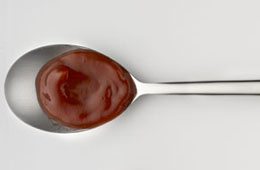
There’s 0.3g of salt and 4.1g (one teaspoon) of sugar in a tablespoon of ketchup. The recommended daily maximum of free sugars is 30g (about seven teaspoons), so go for reduced-sugar versions, which contain up to 50 per cent less. Or make a salsa with chopped tomatoes, red onion, coriander, lime juice and optional chilli. This is a tasty ketchup swap, especially with a barbecue or in a sandwich.
 Mayonnaise
Each tablespoon of mayonnaise contains around 104kcal and 11.3g of fat – a significant chunk of the recommended daily intake of 70g. Swapping to one of the reduced-fat options available would save you 61kcal and 7.1g of fat. Or make your own lighter version by mixing a small amount of mayonnaise with some low-fat yoghurt. For many dishes, like potato salad or coleslaw, low-fat yoghurt on its own or mixed with lemon juice and chopped herbs works just as well as mayonnaise.
 Soy sauce
There’s a lot of salt in soy sauce – around 2.75g per tablespoon, which is almost half the recommended 6g daily maximum. Even reduced-salt versions can contain more than 2g of salt per tablespoon so should be used sparingly. Consuming too much salt over time is linked to high blood pressure, so measure out the amount you use with a spoon rather than splashing it straight from the bottle.
 Sweet chilli sauce
As its name implies, sweet chilli sauce is packed with sugar – around two teaspoons per tablespoon of sauce. Make your own by blending together a deseeded red chilli, two chopped red peppers, 1cm fresh grated ginger, four dates (stones removed), the juice of one lime and a generous pinch of black pepper.
For loads of flavour without the sugar, try hot chilli sauce instead.
 Mustard
 This is one of the healthier sauces, as it’s relatively low in fat and sugar, although not always low in salt. Mustard powder made up with water is the lowest-salt option – a 2g portion is virtually salt-free. Ready-mixed versions contain more salt – one teaspoon of English mustard from a jar contains 0.43g of salt. One teaspoon of wholegrain mustard contains 0.26g of salt. While these are relatively high in salt, their strong flavour means you’re likely to use less of them than other sauces. Check nutrition labels, as some brands contain more salt than others.
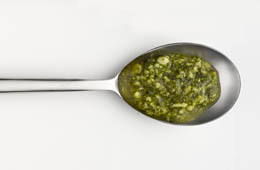 Pesto
Pesto One tablespoon of pesto contains around 103kcal and 9.5g of fat. Reduced-fat versions are a better choice where available. Or combine fresh chopped basil leaves with olive oil to get the flavour of pesto. It will still be high in fat, but lower in saturated fat and salt.
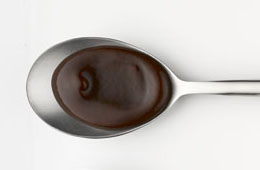 Brown sauce
There is around 3.5g (nearly a teaspoon) of sugar and 0.2g of salt in each tablespoon of brown sauce. A reduced-salt and reduced-sugar version is a healthier choice, containing around 2.3g of sugar and 0.1g of salt per tablespoon.

